
Journey at a glance
- Day 1 Xining
- Day 2 Tongren
- Day 3 Tongren
- Day 4 Xiahe
- Day 5 Xiahe (Labrang)
- Day 6 Lanzhou
- Day 7 Depart from Lanzhou
Be enchanted by China’s lesser-known Tibetan regions of Qinghai and Gansu, where elderly monks create intricate thangka artworks to the flicker of yak-butter candles, and locals herd livestock across pristine grasslands. “Glamping” among nomads, you’ll enjoy a magical blend of cultural immersion and off-the-beaten-track adventure.
About this Journey
Explore Tibetan Buddhist heritage in Qinghai and Gansu through monastery visits, murals, and local traditions. In Qinghai, learn about the region’s role in preserving Buddhist texts and artifacts. Continue to Xiahe County in Gansu to visit Labrang Monastery, an important center of Tibetan Buddhist learning.
Tour Highlights
- Exploring Labrang Monastery, where pilgrims perambulate and monks engage in hand clapping debate
- Embracing nature by following the way of the nomads and camping out in verdant grasslands as yaks and sheep graze around you
- Witnessing some of the most famous thangka paintings in China at the sacred center of Tibetan art culture
YOUR JOURNEY
Route Map
Select a route section to explore the map. Tap a stop for its location or use the directions link for the next leg. Flights, trains, cruises and hiking arrangements follow your itinerary.
Itinerary
Day 1 Xining
First Stop: Xining
For two thousand years, Xining has stood on the frontier. First, as an outpost protecting imperial lands from four dynasties of outside threats. Then, with the rise of the Silk Road, the city sheltered traveling traders on crisscrossing tours of Asia. Today, Xining is the largest city on the Tibetan plateau. Muslim mosques and Buddhist temples sit side by side, vying for visitor attention with museums, monasteries, and the blue-green waters of China’s largest lake.
Your Journey Begins
Today is the day, the start of your China Adventure Club adventure. Step off the plane in Xining and meet your local guide in the airport arrivals hall. They’ll be waiting to welcome you and will have your private vehicle on standby, ready to whisk you off to your hotel for check in.
Kumbum Monastery
Kumbum Monastery was built in 1577 on holy ground, the monastery is located in this place where Tsongkhapa, the founder of the Geluppa (Yellow hat) sect of Tibetan Buddhism, was born. Kumbum Monastery’s architecture is known across Asia, and the monastery itself is a trove of art and religious artifacts. Since its establishment nearly 500 years ago Kumbum Monastery as developed into a sprawling establishment that has attracted a pilgrimage of scholars, religious devotes, and art aficionados.
Local Night Market
Experience a different side of Xining with a visit to the busy night market. Join the locals as they hunt for deals while getting inspiration from savory street food sold in small stalls around the market. Known for its fried flour slices, hand-pulled and dry-stirred noodles, roasted mutton, and steamed buns, Xining is a foodie mecca. If you are feeling adventurous, go for the crème de la crème of the local delicacies: snow chicken with Chinese caterpillar fungus, beef with chrysanthemum, or sheep tendon with ginseng.
Day 2 Tongren
Next Stop: Tongren
Explore a center of Tibetan thangka painting and Buddhist art. The region’s artistic traditions are reflected in its richly decorated monasteries and temples. Around Longwu Temple, pilgrims, local shops, and daily prayer circuits offer a closer look at the town’s Tibetan and Chinese cultural connections.
Drive to Tongren
The drive from Xining to Tongren without stopping is a 3 – 3.5-hour drive. On our way to Tongren, however, past mountain-framed farmland, we will stop at different villages and visit the residence of the late 10th Panchen Lama.
Light hike in Kanbula National Forest Park
Kanbula National Forest Park unveils a landscape of raw, geological drama. Here, towering formations of fiery Danxia sandstone erupt from the earth, their sculpted, rust-red flanks a stark contrast to the sapphire blue waters of Lijiaxia Reservoir. The landscape lends itself to a light hike, passing seasonally vibrant spring apricot blossoms and summer wildflowers, and secluded Tibetan settlements where vibrant prayer flags snap in the crisp air — a vivid splash of color against ancient rock and sky.
An Evening to Yourself
Finally arrive in Tongren and check in to your hotel to relax for the evening.
Day 3 Tongren
Longwu Temple
Buddhism lies at the heart of this town of monasteries and Tibetan monks. Your day starts fittingly with a pilgrimage walk around Longwu Temple, where you witness the daily rituals carried out by its resident monks. Founded in the 12th century, Longwu is considered one of the most important monasteries in the Amdo-Tibetan area. Joined by monks and pilgrims, we walk the kora, or pilgrimage circuit, around Longwu Temple, past prayer wheels, fluttering white scarves, and the thick smoke of incense. One of Amdo’s oldest and most important monasteries, Longwu once oversaw 35 subordinate monasteries, including the famous Labrang in neighboring Gansu province.
Nianduhu Monastery
A subordinate of Longwu Temple, Nianduhu Monastery is renowned for its rare artistic treasures. Its giant barbola mural – vivid shapes of silk and satin stacked from dense to lighter colors in a three-dimensional image – is famed throughout the area for its exceptional beauty.
Upper and Lower Wudun Monasteries
After lunch, we drive a short distance out of town (approximately 4 miles) to Sengeshong village, home to the Upper and Lower Wudun Monasteries. Famous throughout Tibet for having some of the best thangka paintings and artists in all of China, our visit to the Upper and Lower Wudun Monasteries will include a tour of the art school and discussions with the monks about their art. Over a thousand years old, every design aspect of the monasteries, the walls, bricks, gateways, stones, wheels, buildings, and clothes, is a celebration of Regong art. The establishment feature a natural mix of village and monastery, laypeople and monks. Best known for artistic perfection, Wudun monasteries’ art school enjoys fame throughout all of Tibet. Here, we meet students and master artists. Thangka are cloth paintings intended to nurture humankind along the path toward enlightenment, on cotton canvas, linen cloth, or even silk. The interior of Upper Wudun is intricately and elaborately decorated in carvings and paintings of traditional Repkong motifs, and Lower Wudun is used to host ceremonies and is also beautifully decorated in carvings and frescoes.
Day 4 Xiahe
Drive to Xiahe
The ride from Tongren to Xiahe will take around 2.5 hours.
Xiahe Norden Camp
Spend the day taking a break off the road and explore the surrounding area of the campsite with a leisurely hike around the surrounding area- make sure to keep an eye open for birds only native to the area and other wildlife sightings. After returning to the campsite, you can visit a handicraft workshop and learn about local ware and how it’s made. Other activities that can be organized at the campsite include: relaxing in a spa, visiting a local nomadic family, lunch at a monk’s home, and horseback riding.
Day 5 Xiahe (Labrang)
Xiahe (Labrang) and the Labrang Monastery
Sitting at an elevation of 3000 meters in the remote hills of southwest Gansu, Xiahe (Labrang) is one of the most important Tibetan monastery towns outside of Tibet. At the center of the town sits Labrang Monastery, one of the six most important monasteries of the Gelugpa sect of Tibetan Buddhism. The monastery’s red walls and elaborate gold and copper colored roofs are incredible against the dramatic Tibetan scenery.
Labrang Pilgrimage Trail
Once home to 4,000 monks, Labrang Monastery has six monastic colleges of Buddhism that cover esoteric Buddhism, medicine, theology, astrology, and law. Each has a chanting hall, temple halls, and living quarters. Follow the pilgrimage route around the monastery’s narrow alleys and buildings, mixing with monks and visiting pilgrims.
Gyenja Fortified Village
The picturesque Tibetan village of Gyenja is surrounded by a 2,000-year-old fortification and striking scenery of rock mountains. This area is sacred for Tibetans and is known to have many yogis, hermits, and meditators dwelling in the cliffs. We’ll walk on the mud wall built to protect the village and visit a local? monastery. (3hr drive from Norden Camp)
Day 6 Lanzhou
Drive to Linxia
We will first drive from Xiahe to Linxia (2-2.5 hr drive), which has been dubbed the ‘Mecca of China’ for its numerous mosques and minarets.
Next Stop: Lanzhou
For people crossing through China, Lanzhou, the capital city of Gansu province marks the middle point. Located on the Yellow River, Lanzhou is home to more than 3 million people and was once a key city connecting central and western China, as well as a primary link to Eastern Europe. With the 5th century shrines and stone statues of the Thousand Buddha Caves located close by, the city is an interesting cultural hub due to its positioning on the Silk Road.
Drive to Lanzhou
After spending the day familiarizing yourself with the ancient history and mosques of Linxia, transfer to Lanzhou, the provincial capital and the largest city in Gansu (2 hr drive).
Bingling Temple Grottoes
Take a 30-minute speed boat voyage to the Binglingsi Grottoes. The site of one of the largest remaining carved statues of Buddha in China, Binglingsi is like an ancient art gallery naturally preserved in time. Because of their hard-to-access location on the face of a cliff, the grottoes stayed safe from destruction and looting throughout China’s tumultuous history. Today, Binglingsi houses an extensive collection of Buddhist statues, engravings, and cliff paintings dating all the way back to the 5th century.
Day 7 Depart from Lanzhou
Your Flight Back Home
Your local guide and private chauffeur will escort you to the airport and help you check in for the departure flight.
Hotels
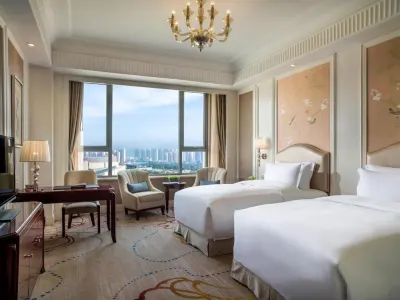
Sofitel Xining
5 starThe luxurious Sofitel Xining is the city’s first 5-star, internationally branded accommodation. Boasting beautiful city views, modern amenities, and Old World-inspired design, the 492 rooms provide travelers with an elegant respite. Guests looking to relax after a day spent exploring the northern Silk Road can head to the indoor swimming pool or get in a workout in the state-of-the-art fitness suite before indulging in a delectable range of international, Cantonese, and Japanese cuisines at one of the three signature dining concepts. With its delightful blend of European luxury and Chinese hospitality, Sofitel Xining is a timeless escape for sophisticated travelers.
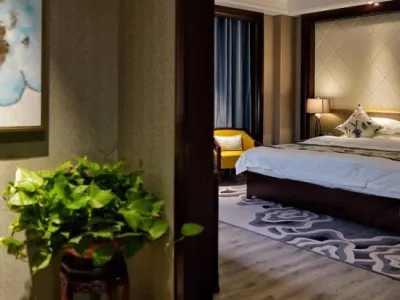
Shengyu Tianlun Hotel, Tongren
Luxury boutiqueThe Shengyu Tianlun Hotel offers a welcoming counterpoint to the vibrant pulse of Tongren. From its doors, explorations into the city’s rich fabric are convenient, whether delving into the historical significance of Nian Duhusi Temple, or absorbing the cultural narratives held within the Huangnan Library and the Huangnan Tibetan Museum of Ethnology. For moments of reprieve between excursions, rest in the comfort of the rooms or enjoy the ease of dining at the on-site restaurant.
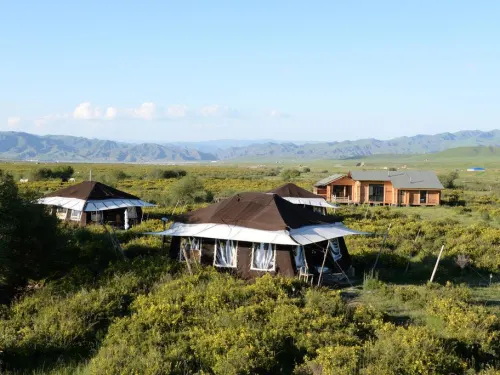
Norden Camp
CampEstablished in 2013, Norden was born from the desire to share Tibetan nomadic life with the outside world. Founded by Yidam, born into a nomadic family, and his wife Dechen, daughter of a Tibetan father and European mother, Norden exemplifies a community searching for their voice in a time of change. Located on winter pasture on the Sangke Grassland at 3,200 meters in altitude, the camp blends the lush landscapes of the Tibetan plateau with contemporary interiors and carefully curated local food, ambiance, and experiences. By sharing its environment and cultural heritage, Norden acts as a platform to amplify the voices of Tibetan artists, craftspeople, and those of the surrounding communities.
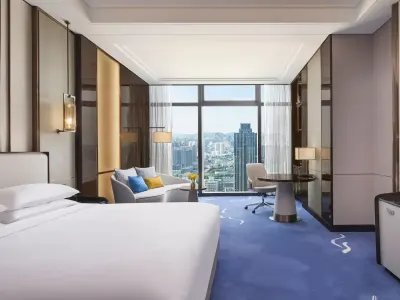
Hyatt Regency Lanzhou
5 starThe Hyatt Regency Lanzhou offers a sophisticated haven where the Yellow River’s ancient pulse meets modern design. Leave Lanzhou’s energetic pulse at the door and discover an interior world of composed elegance. Light sculpts the expansive spaces, highlighting sleek geometry and a tactile richness in its design. This refined sensibility is woven throughout, from the serene comfort of its rooms, to the subtle dynamism of its gathering spots, inviting both connection and quiet contemplation.
Photos
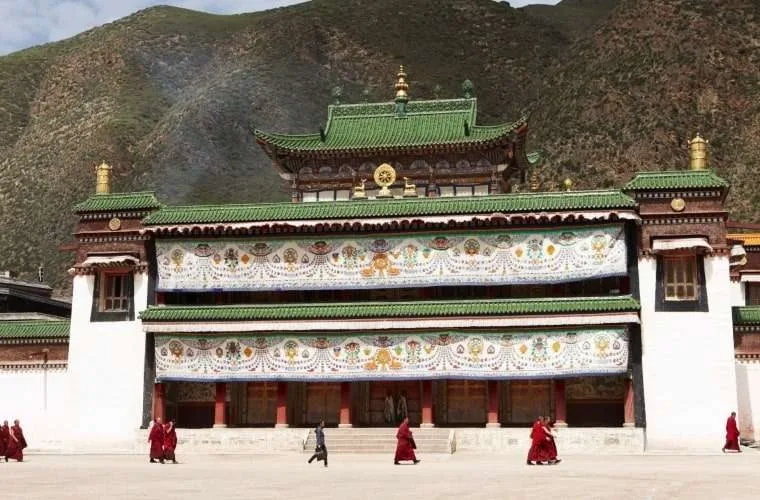
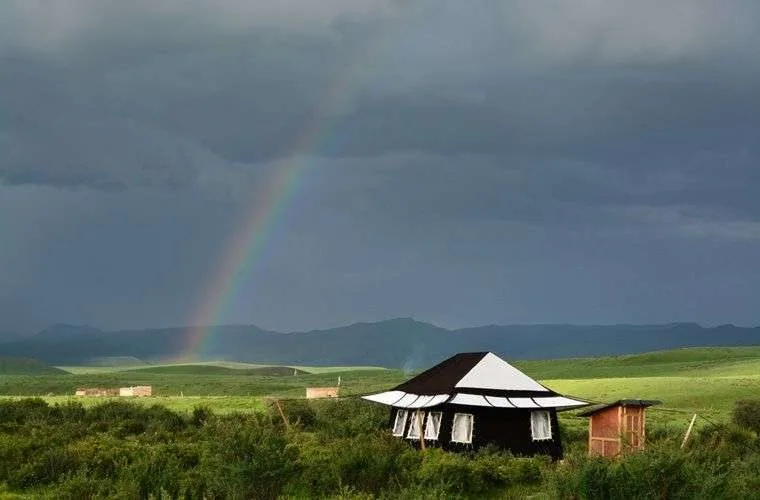
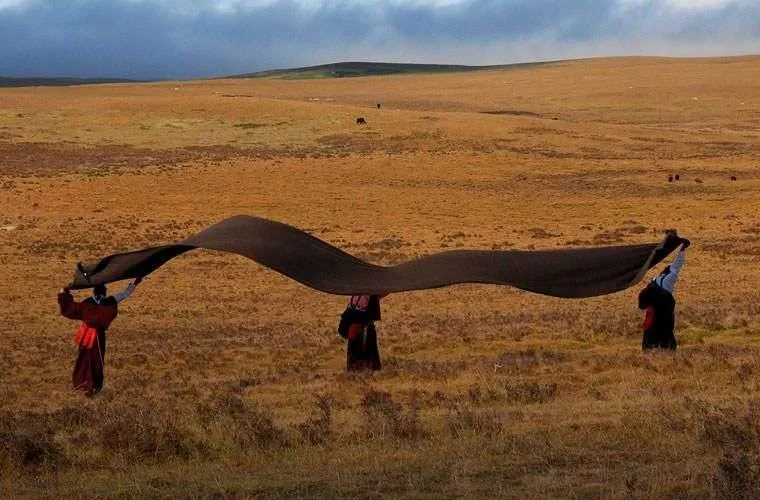
Photos Labrang Monastery Nomadic Camping Tibetan Nomad Life
Details
Recommended seasons
春
Spring
夏
Summer
秋
Fall
What’s Included
- Services of an English-speaking local English-speaking guide
- Accommodation based on double occupancy with breakfasts included
- All overland transfers with private chauffeur and in-transport refreshments
- Private chauffeur service to and from airport at start and end of your trip
- All admission fees and activity expenses, as noted in the itinerary
- Meals as noted in the itinerary with complimentary drinking water
What’s Excluded
- International and domestic flights, domestic trains, plus relevant taxes
- Chinese tourist visa, which is required for most foreign passport holders
- Travel and medical insurance
- Meals, apart from those included in the itinerary, and alcohol
- Expenses of a personal nature
- Excursions and activities not included in the itinerary
- Discretionary gratuities for guides and drivers
TAILOR-MADE TRAVEL
Request This Tour
Tell us your preferred dates, group size, and interests. We will prepare a personal proposal for your China journey.
Request the Tour